

Climate Change and Biodiversity
Climate change has negatively affected our farming patters and our farmers ae much more aware of the negative and adverse effect of climate change and are now much aware of the effects than before. We are engaged in a number of initiatives that aim at fighting climate change. Some of these include but not limited to the following;
Eliminate Food Waste
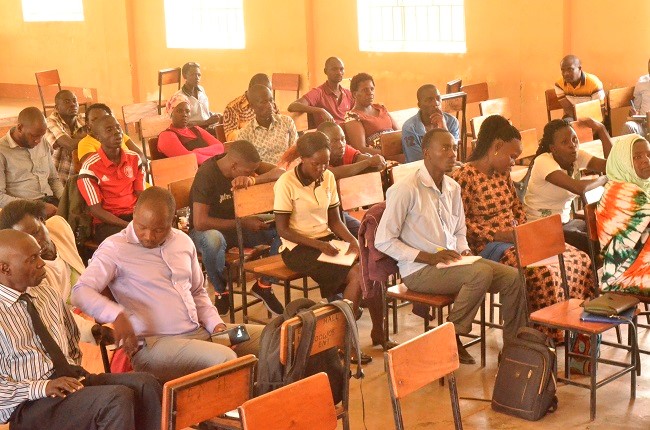
One third of all food harvested in Uganda is lost before it gets to the people it is meant to feed. Most of this is due to poor post-harvest handling and lack of adequate storage. This level of inefficiency has huge economic, social and environmental impacts. Food waste contributes significantly to climate change through various stages of the food production and consumption process. When food is wasted, all the resources used in its production, including water, energy, and land, are also wasted. Additionally, the decomposition of food waste in landfills produces methane, a potent greenhouse gas that contributes to global warming. By reducing food waste, we can mitigate these environmental impacts and contribute to the fight against climate change. KIWOD in this regard is engaged in training farmers and farming communities and stakeholders such as markets to engaged in proposer pre and post harvesting practices to minimize food wastage.
Use Clean Energy
Renewable energy is fundamental to powering the world as we move away from fossil fuels. Clean energy plays a crucial role in fighting climate change by reducing greenhouse gas emissions, mitigating environmental degradation, and promoting sustainable development. The use of clean energy sources such as solar, wind, hydroelectric, geothermal, and bioenergy helps to minimize the reliance on fossil fuels, which are the primary contributors to global warming and climate change. By transitioning to clean energy technologies and practices, societies can significantly reduce their carbon footprint and limit the adverse impacts of climate change. In Teso and Acholi, we have been so instrumental in training communities in clear energy practices such as making charcoal saving stoves, making charcoal briquettes among others which are being used by farming communities across the country